 G8DR1CH
Research, published
and explained.
Peer-reviewed work from the studio, each paper walked through in plain steps with its original figures.
Pengembangan Sistem Identifikasi Similaritas Produk Engineer-to-Order dengan Metode Dekomposisi Matriks SVD
Developing a similarity identification system for engineer-to-order products with SVD matrix decomposition
Bachelor thesis · Industrial Engineering, Bandung Institute of Technology · the work the paper below grew from
Similarity Identification System Design for Engineer-to-Order Products with SVD Matrix Factorization
Ignatius Vito W.P. Hapsara, Mohammad M. Isnaini, Jeisa R. N. Tarigan
Procedia CIRP 134 (2025) 657–662 · CC BY-NC-ND 4.0 · Bandung Institute of Technology
@article{hapsara2025svd,
  author  = {Hapsara, Ignatius Vito W.P. and Isnaini, Mohammad M. and Tarigan, Jeisa R. N.},
  title   = {Similarity Identification System Design for Engineer-to-Order Products with SVD Matrix Factorization},
  journal = {Procedia CIRP},
  volume  = {134},
  pages   = {657--662},
  year    = {2025},
  doi     = {10.1016/j.procir.2025.02.179}
}
Encode the product
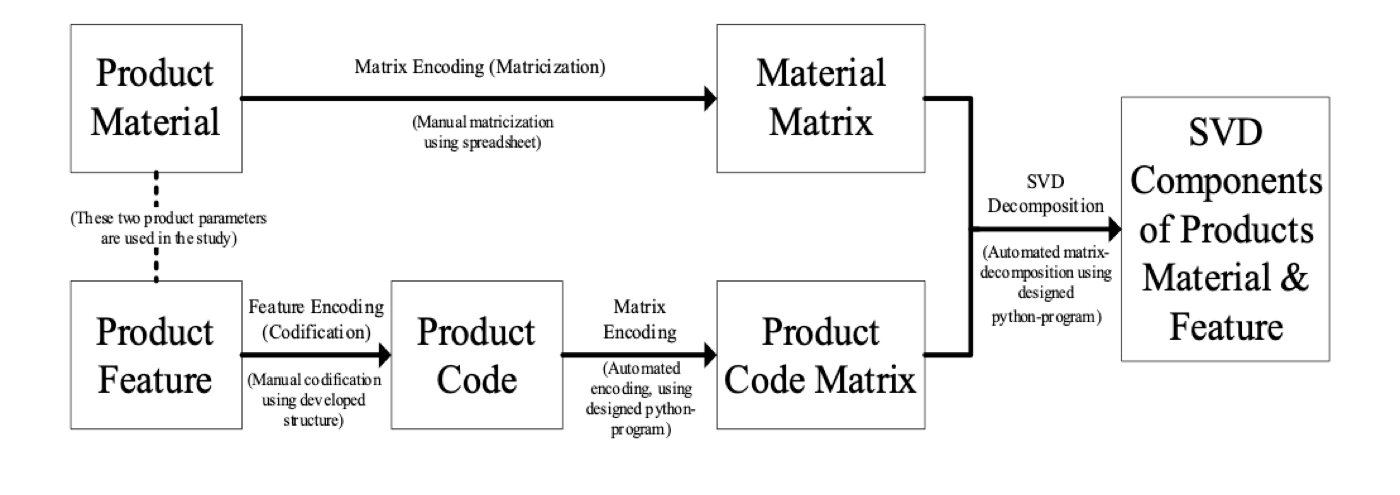
Every product is described by two parameters. Its material structure comes from the material use voucher, mapped into a binary matrix of 609 materials and components by 9 types. Its features come from a six-segment hierarchical code, Y-S0-S1-S2-S3-Z, nine digits long: 132210040 reads as a standard 40 kl water truck. The code is then encoded as a matrix too.
Decompose with SVD
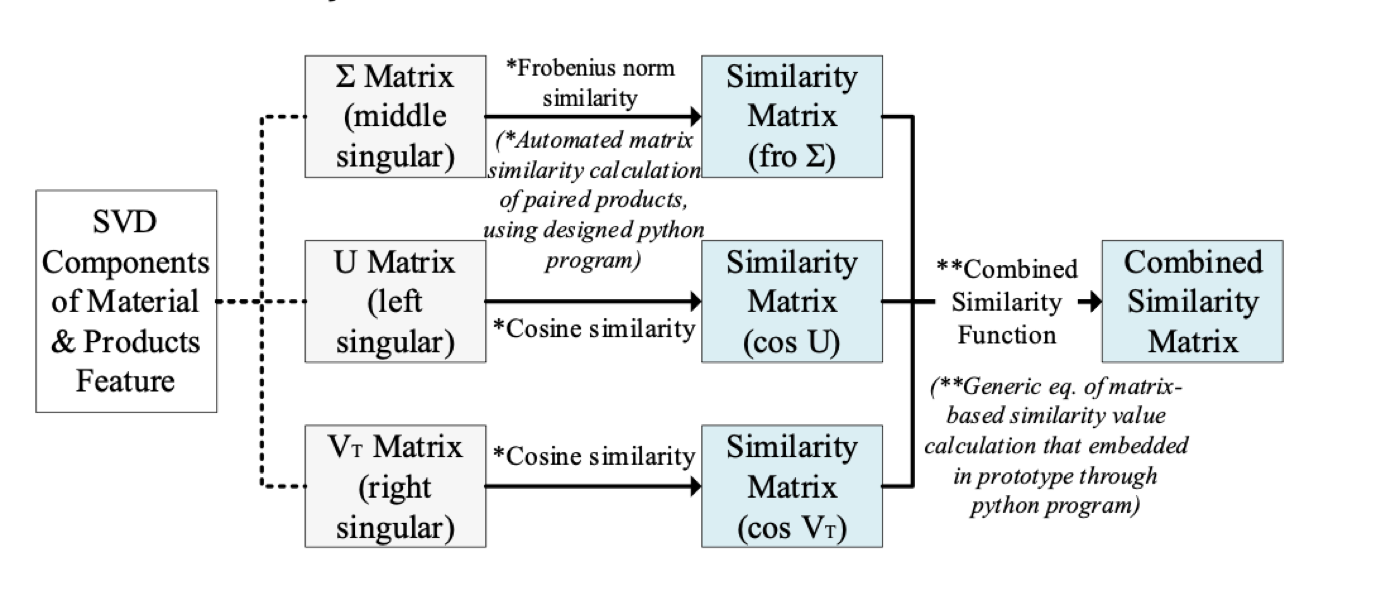
Each parameter matrix is factorised into three parts. The middle singular matrix Σ carries the spectrum, how strongly the structure is expressed; the left and right singular matrices U and VT carry its row and column patterns. Reducing to these components filters noise out of the comparison.

Measure similarity
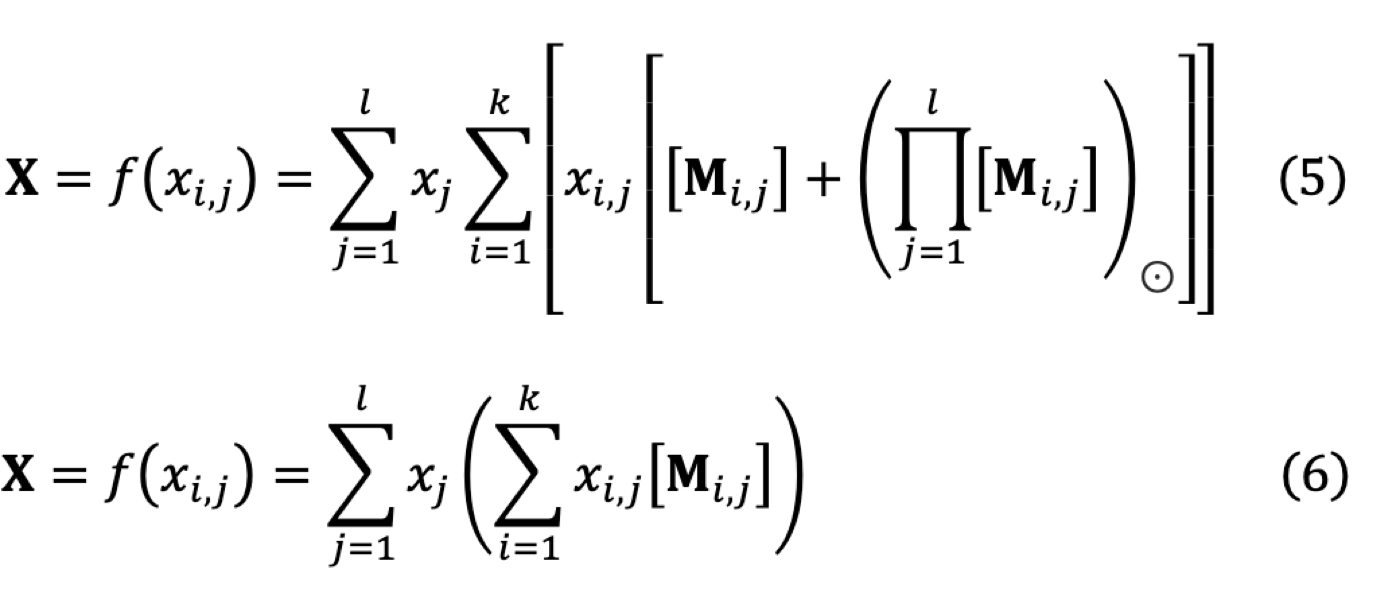
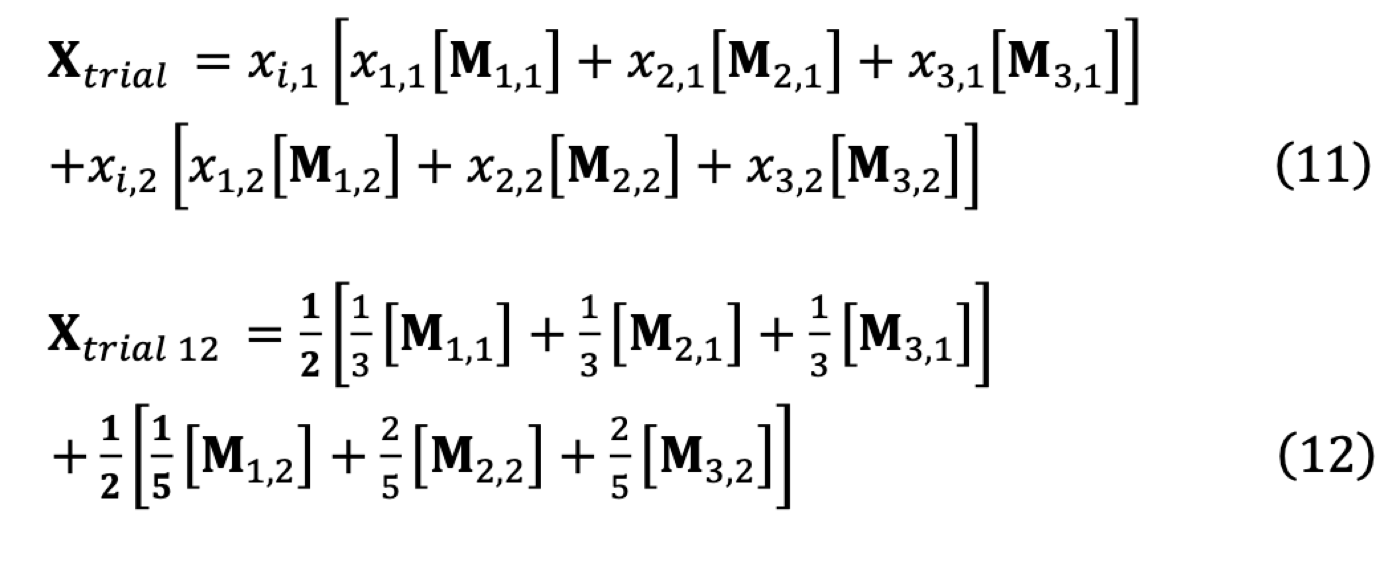
Σ is compared with the Frobenius norm, simF = [1 + ‖Σp − Σp′‖F]−1; U and VT with cosine similarity. A general equation X combines every method i and parameter j with weights that each sum to 1, and a Hadamard term for parameters that interact. The weights are tuned through a design of experiments with stakeholders.
Map the network
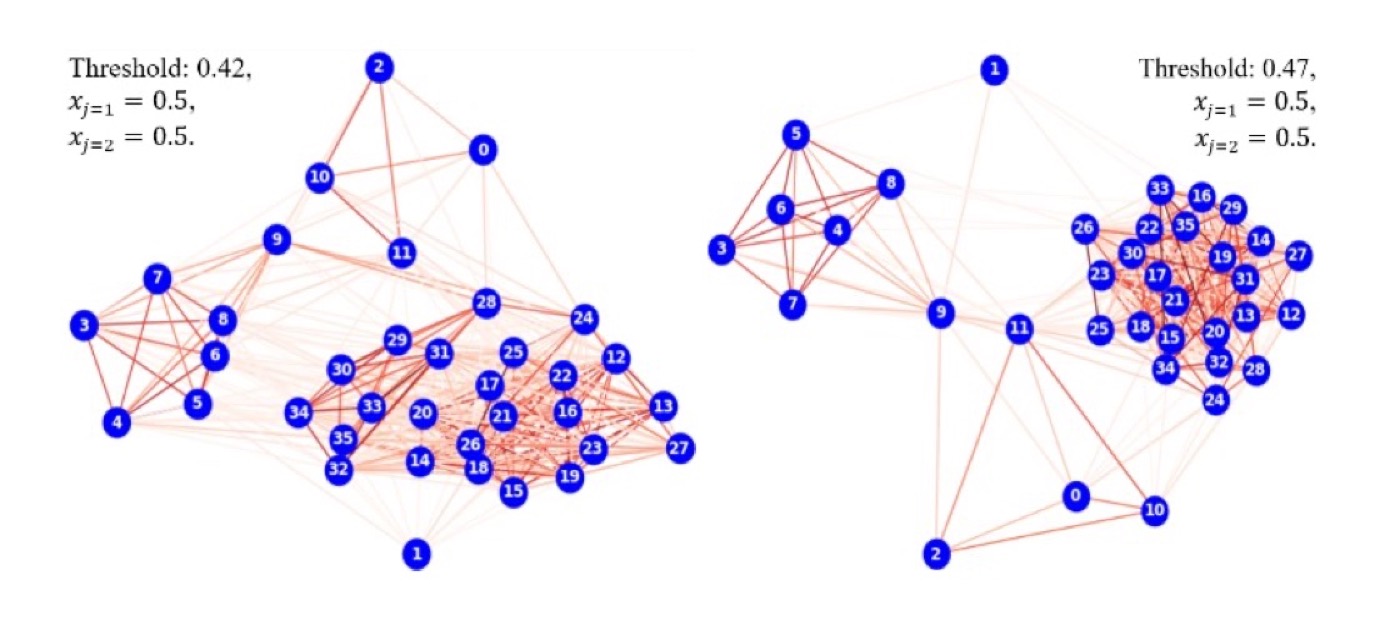
X becomes a product network: each node is a truck model, each line a similarity, thicker for closer products. Across 36 models the clusters fall out on their own: open trailers, low-beds, fuel trucks and water trucks. A new product with no material list borrows one from its nearest neighbour by feature code. Rebuilding the map from a 609 × 3 matrix instead of 609 × 9 kept the same structure.
The whole system
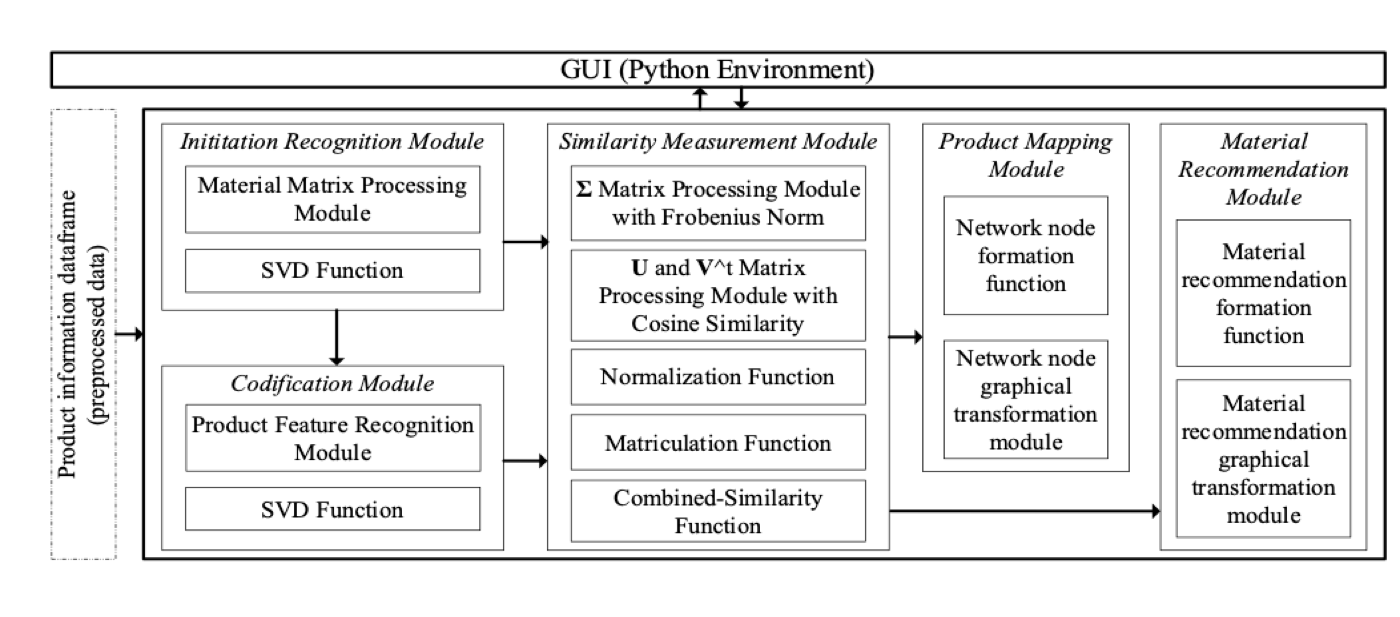
The modules chain together: initial recognition and codification feed similarity measurement, which feeds product mapping and material recommendation, all inside one Python environment.